Invisalign Calabasas CA for a More Comfortable Orthodontic Experience
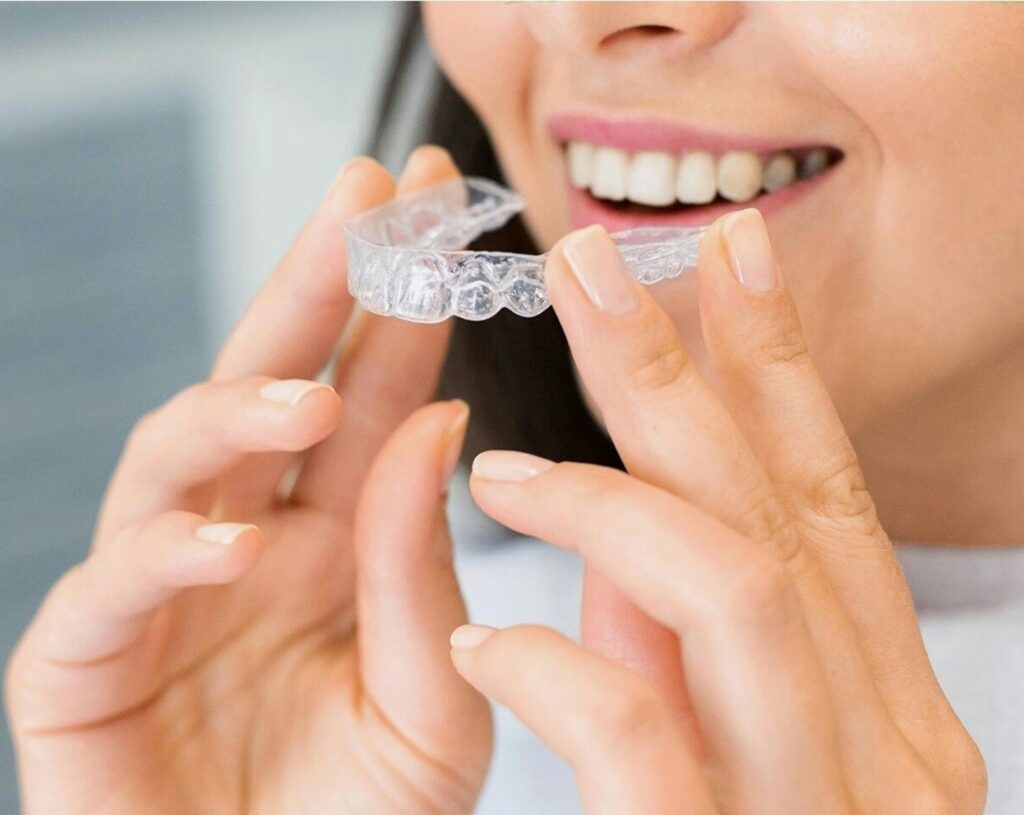
Orthodontic treatment has changed dramatically over the past two decades. For many adults and teens, the old image of metal brackets, tightening appointments, and irritated cheeks no longer defines the entire experience. Clear aligner therapy has made tooth movement feel more manageable, more discreet, and in many cases, more compatible with daily life. That shift is a large part of why so many people searching for Invisalign Calabasas CA are not simply looking for straighter teeth. They are looking for a treatment option that feels easier to live with.
Comfort matters in orthodontics, but comfort is often misunderstood. It does not mean there is no pressure, no adjustment period, or no discipline required. Teeth do not move without force, and any appliance that works will create some sensation as the teeth respond. What patients usually mean when they ask for a more comfortable option is something more practical. They want less irritation, fewer food restrictions, easier oral hygiene, and a treatment plan that fits work, school, social events, and family life without constant friction.
That is where Invisalign has earned its reputation. When the case is appropriate and the patient follows instructions, it can provide a smoother orthodontic experience than traditional braces for many people. In a place like Calabasas, where schedules are full and appearance often matters in both personal and professional settings, that combination of function and discretion has obvious appeal.
What comfort really means during orthodontic treatment
Anyone comparing orthodontic options should start with a realistic definition of comfort. Traditional braces can be very effective, especially for complex bite issues, significant rotations, or cases that need highly controlled movement. But they come with a physical presence in the mouth that is hard to ignore. Wires and brackets rub against the cheeks and lips. Broken hardware can create sore spots. Certain foods become risky. Brushing and flossing require patience and technique.
Invisalign changes that day to day experience in a few important ways. The aligners are smooth, removable, and custom made to fit over the teeth. There are no metal edges. There are no emergency visits for a loose bracket after eating a crusty piece of bread or a bagel. Patients can take the aligners out for meals, brush and floss normally, and return to their routine with much less interruption.
That does not mean every moment feels effortless. A new set of aligners often creates pressure for the first day or two. Some people notice a slight lisp at the start, particularly if they speak for a living. Attachments, those small tooth colored shapes bonded to certain teeth, can make the trays feel tighter and are sometimes more noticeable to the tongue than patients expect. Still, when I hear people compare their experience after having consulted friends or family members with braces, the same phrase comes up again and again: it is just easier to live with.
Why so many adults ask about Invisalign first
Adults often approach orthodontics with a different mindset than teenagers. They tend to be less interested in the novelty of straightening their teeth and more interested in efficiency, subtlety, and predictability. Many have delayed treatment for years because they could not imagine wearing braces during meetings, on video calls, at client dinners, or in photos tied to their career.
For those patients, Invisalign can be the difference between finally moving forward and putting treatment off again.
Clear aligners are not invisible at close range, despite the brand name becoming shorthand for that idea. People can usually tell something is covering the teeth if they are looking carefully and standing nearby. But from a normal conversational distance, they draw far less attention than braces. That matters more than some dentists initially assume. A patient may be perfectly willing to commit to orthodontics, yet still feel uneasy about the social visibility of brackets and wires. When clear aligners reduce that concern, adherence tends to improve because the patient feels less self conscious about wearing them as directed.
Adults also appreciate the control. If there is an important dinner, a wedding, a speaking engagement, or a family photo session, aligners can be removed briefly. That flexibility is not a license to wear them less, but it does make treatment feel less rigid. For motivated adults, that trade off often works very well.
Teen patients and the comfort conversation
Teenagers are frequently strong candidates too, although the discussion is slightly different. A teen may care a great deal about appearance, but comfort usually ties more directly to sports, music, and convenience at school.
A student who plays a contact sport may appreciate not having brackets inside the mouth during practice. A teen in band who plays a wind instrument may find the adjustment period with aligners less frustrating than the adjustment period with braces. School lunches become simpler because there is no long list of forbidden foods. Brushing after meals is still important, but the mechanics are much easier when there are no wires to clean around.
The challenge with teens is compliance. Invisalign only works as intended when it is worn consistently, usually around 20 to 22 hours per day. A responsible teen can do very well. A forgetful or resistant teen may not. Parents sometimes assume comfort automatically means better treatment, but comfort without discipline can lengthen the process or compromise the result. A thorough consultation should address that honestly.
How the Invisalign process actually feels
Most people want to know what treatment feels like in practical terms, not marketing terms. The first few days after receiving aligners are usually the most noticeable. There is pressure rather than sharp pain, and it tends to signal that the trays are doing their job. By the third or fourth day, many patients hardly notice the current set anymore.
Speech often changes slightly at first. This usually improves quickly as the tongue adapts to the aligners’ thickness. Dry mouth can happen early on, especially for people who already drink too little water. A simple increase in hydration helps more than people expect.
Removing the trays can feel awkward in the beginning. New wearers sometimes worry they will crack an aligner or pull too hard. With a little practice, the motion becomes routine. Patients who keep a small travel toothbrush kit and aligner case with them tend to settle into the habit fastest because they are prepared after meals instead of improvising.
Attachments deserve special mention because they affect comfort and expectations. These are small composite bumps placed on selected teeth to give the aligners better grip. They are often essential for precise movement. They can make the trays feel snugger, and without the trays in place they may feel rough to the lips for a few days. Most patients adapt quickly, but it is better to know in advance that “clear aligners” do not always mean a perfectly smooth tooth surface throughout treatment.
Why provider judgment matters as much as the product
When people search for Invisalign Calabasas CA, they are often comparing brands and offices as if the trays alone determine the outcome. In reality, clear aligner therapy is only as good as the diagnosis, planning, and supervision behind it.
The aligners are manufactured from a digital treatment plan, but that plan must be built around anatomy, bite function, gum health, bone support, and realistic movement goals. Not every crowding case should be treated the same way. Not every bite issue can be solved efficiently with aligners alone. Some cases need enamel reshaping between teeth, often called IPR, to create space. Some benefit Invisalign Calabasas CA from elastics. Some should be referred for a different kind of orthodontic approach altogether.
This is where experience matters. A thoughtful provider knows when Invisalign is likely to be smooth and when it may become frustrating. They know how to spot habits that interfere with tracking, how to refine a plan when teeth are not moving as predicted, and when to be candid that another method may offer a better finish.
Comfort and effectiveness are not separate conversations. A treatment that feels easy for the first few months but stalls because the plan was overly optimistic is not truly the more comfortable option. Patients usually do best when their provider sets clear expectations from the start and explains the likely trade offs rather than overselling convenience.
Common reasons people choose Invisalign in Calabasas
Local preferences are shaped by lifestyle as much as by clinical need. In Calabasas, many patients juggle demanding work schedules, family commitments, and active social calendars. They want treatment that can fit around real life rather than dominate it.
A few factors come up repeatedly during consultations:
- A discreet appearance for professional and social settings
- Easier brushing and flossing than fixed braces
- Fewer food restrictions during treatment
- Less soft tissue irritation from metal hardware
- Greater flexibility for events, travel, and photography
None of those benefits should be dismissed as vanity or convenience alone. Oral hygiene is easier when appliances are removable. Better hygiene can mean less plaque buildup, less gum inflammation, and a smoother overall experience. Likewise, fewer emergency visits save time and reduce disruption, which matters to anyone balancing a packed calendar.
Cases where Invisalign may be especially appealing
Mild to moderate crowding is one of the most common reasons patients explore clear aligners. Teeth that overlap can be harder to clean and may make a smile look uneven, but many of these cases respond very well to Invisalign. Small spaces between teeth are also commonly treated with aligners, often with elegant cosmetic results.
Relapse after earlier orthodontic treatment is another major category. Adults who wore braces as teens often return years later because lower front teeth have shifted or upper alignment no longer looks as crisp. These patients usually remember the inconvenience of braces and are much more open to clear aligners the second time around. In many of these relapse cases, the movement needed is limited enough that aligners feel especially worthwhile.
There are also patients with bite concerns, such as overbite, underbite, or crossbite, who can be treated successfully with Invisalign, depending on severity and anatomy. This is where broad promises become dangerous. Some bite problems respond beautifully. Others are better managed with braces or a more complex orthodontic plan. A careful exam, including imaging and bite analysis, is essential before making assumptions.
The less glamorous side of clear aligners
Good treatment decisions come from the full picture, not the polished version. Invisalign is comfortable in many ways, but it asks more of the patient than some people expect.
You have to wear the trays consistently. Leaving them out for long meals, frequent snacking, or social convenience chips away at progress. If you drink coffee, tea, wine, or sparkling beverages with the trays in, you risk staining them and exposing the teeth to trapped sugars or acids. If you remove them often but forget to put them back, treatment can drift off course surprisingly fast.
There is also a hygiene responsibility that fixed braces do not place in quite the same way. Because aligners fit tightly over the teeth, it is best to avoid reinserting them after eating without brushing, or at least rinsing thoroughly when brushing is not possible. Most patients adapt well, but anyone who snacks throughout the day or rarely carries oral care supplies may find the routine more annoying than expected.
Then there is the issue of lost trays. Adults lose them in napkins at restaurants. Teens leave them on lunch trays or in lockers. Dogs chew them. This is common enough that almost every office has heard versions of the same story. Replacing aligners is manageable, but repeated losses can delay treatment and increase cost.
Questions worth asking at a consultation
A worthwhile consultation should feel less like a sales pitch and more like a planning session. The best conversations are specific. They connect your goals with what your teeth and bite can realistically support.
Consider asking:
- Am I a strong candidate for Invisalign, or would braces likely be more predictable?
- How long is treatment expected to take in my case, and what might extend that timeline?
- Will I need attachments, elastics, or IPR to get the result you are recommending?
- How often will my progress be checked, and what happens if the trays stop tracking properly?
- What retention plan will I need once treatment is finished?
These questions do two things. First, they clarify the process. Second, they reveal how the provider thinks. A clinician who answers with nuance, acknowledges limits, and explains the reasoning behind the plan is usually offering a more reliable treatment experience than one who treats every case as routine.
The retention phase, where long term comfort is won or lost
Patients often focus so much on active treatment that they overlook retention. Yet this phase determines whether all the effort holds up over time. Teeth have memory. They tend to drift, especially in the first months after movement. A good result can soften quickly if retainers are not worn as instructed.
Retainers are usually comfortable, but they still require consistency. Most providers recommend full time wear initially, then nighttime wear long term, though protocols vary by case. The most comfortable orthodontic experience is not the one that ends the day the last aligner comes off. It is the one that delivers a stable result without forcing the patient back into retreatment a few years later.
People who previously had braces and then skipped retainers often understand this lesson immediately. They are usually among the most compliant patients during a second round of treatment because they know how easy it is to lose alignment gradually.
Choosing an office in Calabasas with clear expectations
If you are evaluating options for Invisalign Calabasas CA, pay attention to oaksdentistry.com Invisalign Calabasas CA the quality of the conversation as much as the appearance of the office. A polished website and a strong before and after gallery can be helpful, but they should not replace a careful exam and a personalized treatment discussion.
Look for an approach that balances optimism with honesty. If your case is likely to be straightforward, you should hear that. If your goals are achievable but may require refinements, attachments, or longer wear, you should hear that too. If another treatment method might serve you better, the right provider will say so rather than bending every case to fit a preferred product.
Comfort in orthodontics is partly physical, but it is also psychological. People feel more at ease when they know what to expect, understand the purpose of each step, and trust that the recommendation was made for their situation rather than for a generic treatment script.
A more comfortable experience, if the fit is right
For the right patient, Invisalign offers a genuinely more comfortable orthodontic experience. The trays are smooth, removable, and discreet. Oral hygiene is simpler than with fixed braces. Eating remains normal. Social and professional life usually carry on with fewer interruptions. Those advantages are not superficial. They shape how willing a person is to follow through and stay engaged over the course of treatment.
Still, comfort should never be separated from case selection and execution. Aligners are not automatically the best option for every bite, every lifestyle, or every level of compliance. The strongest outcomes happen when the treatment method matches both the clinical problem and the person living with it.
That is the real value behind the growing interest in Invisalign Calabasas CA. It is not just about straightening teeth with clear plastic. It is about making orthodontic treatment feel more workable, more predictable, and more aligned with everyday life. When that fit is there, patients often find that the path to a healthier, more confident smile is far less disruptive than they once imagined.
Oaks Dental
5000 Parkway Calabasas, Suite 308
Calabasas, CA 91302
(818) 643-6521
FAQ About Invisalign Calabasas CA
How many hours a day should I wear Invisalign?
Clear aligners are typically worn for 20 to 22 hours a day. Follow your dentist’s instructions for your specific treatment plan.
What age is best for Invisalign?
Many teens and adults can use clear aligners. A dentist can assess dental development, oral health, and the type of tooth movement needed.
What affects the cost of Invisalign in California?
Cost depends on the complexity and length of treatment and what the quoted plan includes. Ask for an itemized estimate and check any orthodontic coverage with your insurer.