Invisalign Calabasas CA for Closing Gaps Between Teeth
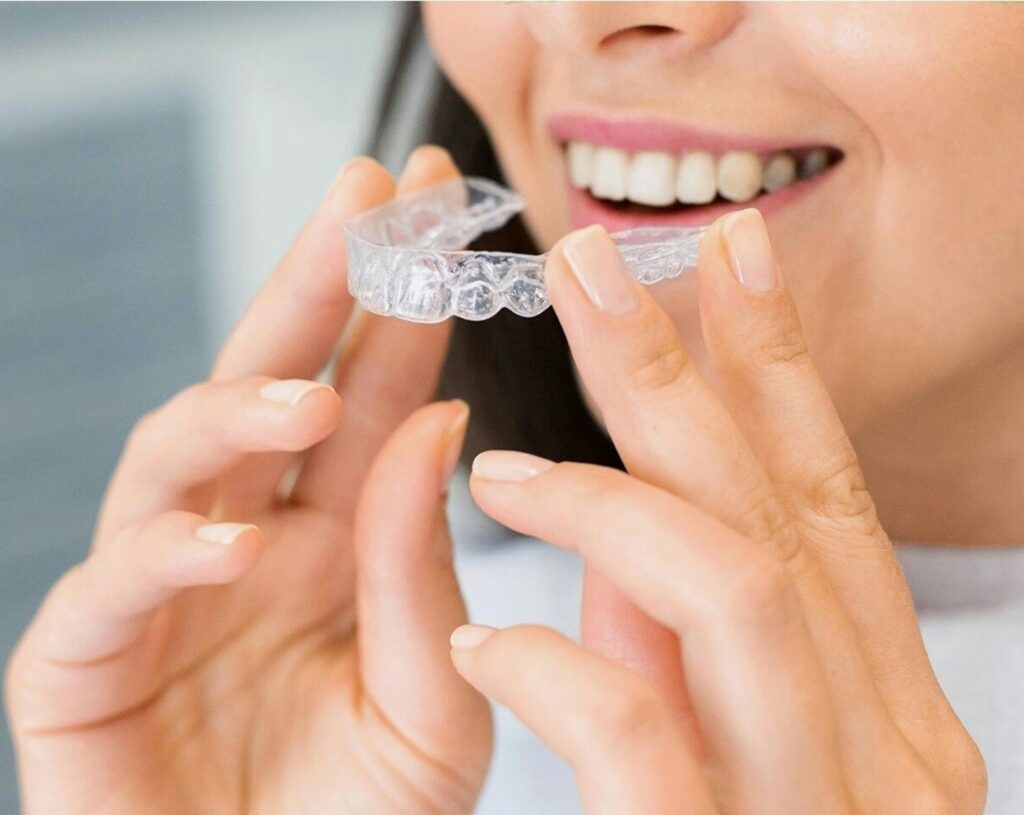

A small gap between the front teeth can look charming on one person and frustrating on another. That difference usually comes down to preference, bite function, and how the spacing affects day-to-day life. I have seen patients who barely notice a few millimeters of space until food starts packing between their teeth or speech feels slightly off on certain sounds. I have also seen people who have thought about closing a gap for years, often because every photo seems to highlight the space more than the rest of their smile.
For many adults and teens, Invisalign offers a practical way to close spaces without brackets and wires. If you are exploring Invisalign Calabasas CA options, it helps to understand what aligners can and cannot do, how long treatment usually takes, and why the cause of the gap matters just as much as the size of it. Spacing looks simple from the outside, but the right treatment plan depends on the anatomy behind it.
Why gaps develop in the first place
A gap is not always just a cosmetic issue. Sometimes it reflects how the teeth erupted, how the jaw developed, or what soft-tissue habits are doing over time. The most common example is a midline diastema, which is the space between the upper front teeth. That can happen because the teeth are naturally small relative to the arch, because a thick frenum extends low between the incisors, or because missing teeth farther back changed the way the remaining teeth drifted.
Thumb sucking and tongue thrust can also contribute. In adults, periodontal disease is another important factor. Bone loss can allow teeth to migrate, creating spaces that were never there before. That detail matters because moving teeth with aligners is only part of the answer if gum support Invisalign Calabasas CA has been compromised. The treatment may still be possible, but it has to be managed carefully and often in coordination with periodontal care.
This is where a good clinical exam makes a real difference. Two people can both say, “I have a gap in my front teeth,” while needing very different plans. One may need straightforward aligner therapy with a few refinements. Another may need space redistribution, bite correction, and long-term retention strategies to keep the gap from reopening.
What Invisalign does well for spacing
Invisalign works by applying controlled force through a series of custom clear aligners. Each set is designed to move the teeth a little further toward the planned result. For spacing cases, that means the aligners can draw teeth together, coordinate the arches, and fine-tune the contact points so the smile looks balanced rather than pinched.
Spacing often responds nicely to aligners, especially when the roots can be guided as carefully as the crowns. That distinction is important. Simply tipping teeth inward to hide a space may look acceptable for a month, but it is not the same as proper root movement and stable alignment. A thoughtful Invisalign plan accounts for both, which is why digital planning, attachments, and monitoring matter.
Patients are often drawn to Invisalign because it fits more comfortably into adult life. Clear aligners are removable for meals and oral hygiene, and they are less visible in work and social settings. For someone in Calabasas who spends long days in meetings, on camera, or out in the community, that discretion can be a deciding factor. The convenience is real, but the trade-off is compliance. Aligners only work if they are worn as directed, usually around 20 to 22 hours per day.
When Invisalign is a strong option, and when it may not be enough
Many gap-closing cases are excellent candidates for Invisalign, but not every spaced smile should be treated the same way. Small to moderate spaces, particularly in otherwise healthy mouths, are often predictable with aligners. Cases involving multiple gaps across the arch can also do well when the bite is stable and the underlying biology supports movement.
The picture becomes more complex when spacing is tied to larger bite problems. A patient with an open bite, tongue posture issues, gum disease, or significantly undersized lateral incisors may still use Invisalign, but the aligners are only one piece of the solution. Sometimes restorative treatment, such as bonding or veneers, is needed after orthodontics to perfect the proportions. Sometimes a frenectomy is considered if the frenum contributes to relapse. Sometimes the smartest move is to close part of the space orthodontically and reshape the smile conservatively rather than forcing all the teeth together.
That kind of judgment is where treatment planning stops being generic. Good orthodontic or Invisalign care is not about moving teeth because software says movement is possible. It is about deciding which movements are healthiest, most stable, and most aesthetically sound for that particular person.
The consultation should answer more than “Can you close the gap?”
A proper consultation for Invisalign Calabasas CA treatment should look beyond the obvious spacing. Photos, digital scans, and bite analysis help reveal why the gap exists and how the rest of the smile functions. I always tell patients that the best question is not whether the space can be closed. It usually can. The better question is whether it can be closed in a way that looks natural, protects the bite, and stays closed.
Your provider will likely assess the width of the teeth relative to the arch, gum health, the position of the roots, and whether the upper and lower teeth fit together correctly. If a person has a narrow upper arch or crowding in the lower arch, closing one visible space without addressing the underlying imbalance can create a finish that looks off. The front gap disappears, but the teeth no longer meet as they should, or black triangles appear near the gums.
Black triangles deserve special mention because they surprise people. When teeth are moved together, especially if they were flared or if the gum papilla does not fully fill the space, a dark triangular opening can remain near the gumline. This is not always preventable, though careful planning and slight enamel reshaping in selected cases can reduce the effect. Patients appreciate knowing that before treatment rather than after.
What treatment often looks like in real life
The mechanics are elegant, but day-to-day Invisalign is mostly about routine. Once the digital plan is approved and the aligners are fabricated, treatment begins with the first set. Many cases involve small tooth-colored attachments bonded to certain teeth. These help the aligners grip and direct movement more precisely. Patients sometimes worry that attachments will make the aligners obvious, but in most social settings they are still far less noticeable than braces.
The first week usually involves mild pressure rather than sharp pain. Speech can feel slightly different for a few days, especially with “s” sounds, but most people adapt quickly. Aligners are typically changed every one to two weeks, depending on the protocol and the type of movement being performed. Follow-up visits or remote monitoring help ensure the teeth are tracking properly.
For gap closure, the timeline can be pleasantly short in simple cases. A single front space with otherwise good alignment might take a matter of months. More complex spacing involving the full arch, bite correction, or root control can extend closer to a year or more. Refinements are common. That is not a sign something went wrong. It is part of finishing well. Tiny residual spaces and contact adjustments often show up only after the initial series has done the heavy lifting.
I remember one patient who came in mainly bothered by a front gap that had slowly reopened after braces in her teens. Her teeth looked mostly straight, so she assumed treatment would be almost immediate. The scan showed mild relapse in the entire upper arch and slight lower crowding that was pushing the bite off center. If we had closed only the visible space, it almost certainly would have reopened. Her full treatment took longer than she first expected, but the final result looked balanced, and more importantly, it held.
Retention is where long-term success lives
Spacing has a reputation for relapse, and that reputation is deserved. Teeth have memory. Soft tissue, tongue pressure, bite forces, and original growth patterns all influence where they want to settle. Once the gap is closed, retention is not optional.
A retainer keeps the teeth in their new positions while the surrounding bone and fibers reorganize. In many spacing cases, particularly with a midline gap, a fixed bonded retainer behind the front teeth may be recommended, sometimes along with a removable nighttime retainer. That combination can be especially helpful for patients whose spaces existed for years or who have habits that increase relapse risk.
Patients sometimes feel that the hard part is over once the aligners are finished. Clinically, the opposite is true. The active movement phase may last months, but retention lasts as long as you want the result. If someone has had a gap closed and then stops wearing retainers after a few months, even a well-executed treatment can drift.
Cosmetic goals versus functional goals
Closing a gap sounds cosmetic, and often it is, but cosmetic decisions should still respect function. There are cases where full closure is not the best aesthetic result. If the front teeth are proportionally narrow, forcing them together can make the smile look too small or create shapes that feel unnatural. In those situations, a mix of orthodontics and cosmetic bonding can produce a better outcome than aligners alone.
This is a common scenario with peg laterals or naturally undersized incisors. The aligners create ideal spacing and tooth position, then a restorative dentist adds composite bonding to build out the shape. The patient gets a more harmonious smile than either approach could provide alone.
On the other hand, some people are better served by orthodontic closure without any restorative work at all. If tooth size Invisalign Calabasas CA and arch form are favorable, Invisalign can bring the teeth together cleanly and conservatively, preserving natural enamel and avoiding unnecessary intervention. The right choice depends on anatomy, expectations, and how much change the patient wants.
A few signs that spacing needs a closer look
The gap itself is not always the only issue. Certain clues suggest the treatment plan should be more comprehensive.
- The space has reopened after previous orthodontic treatment.
- Food packs between the teeth or floss snaps through too easily.
- The bite feels uneven, especially when chewing with front teeth.
- Gums bleed, look puffy, or seem to recede around the spaced teeth.
- There are multiple spaces, not just one isolated gap.
Any of these findings can still be compatible with Invisalign, but they often point to contributing factors that should be addressed during planning.
How Calabasas patients often think about convenience
Lifestyle affects treatment decisions more than many people expect. In a place like Calabasas, schedules are often packed. Parents juggle school logistics and work. Professionals move between office time, events, and travel. Teens have sports, music, and social commitments. Invisalign tends to fit well because it causes fewer disruptions. You can remove the aligners for an important dinner, a presentation, or a photo session, then put them right back in.
That flexibility is helpful, but it also creates room for inconsistency. Braces keep working whether you feel disciplined or not. Invisalign rewards disciplined wear and exposes lapses quickly. The patient who removes aligners for coffee, snacks, long lunches, and late-night drinks may find that “removable” becomes “ineffective.” The aligners begin to fit tightly, tracking slips, and treatment stretches out.
The best candidates are not necessarily the most organized people by personality. They are the ones who understand the rhythm and can stick to it. Wear the trays, clean them well, keep the appointments, and use the retainers when treatment ends. Those habits matter more than perfection in any one week.
Cost, value, and what patients should weigh
Fees vary based on complexity, treatment length, and whether adjunctive procedures are needed. A simple spacing case is usually less involved than a full bite correction, but cost should not be judged on visible appearance alone. A front gap may look simple while requiring careful root control, retention planning, and aesthetic finishing.
Value comes from several places at once: accurate diagnosis, realistic planning, reliable monitoring, and a finish that holds. A low fee can become expensive if treatment is rushed, incomplete, or unstable. Patients are usually better served by asking what is included, how refinements are handled, and what the retention plan will be after the active aligners are done.
It is also worth asking whether your provider has experience specifically with spacing cases. Gap closure is common, but stable gap closure is more nuanced. The details of root angulation, contact shape, and retention often separate an acceptable result from an excellent one.
Questions worth asking at your consultation
A short, focused conversation can reveal a lot about how your case will be approached.
- What is causing my gap, and does that affect how likely it is to reopen?
- Will Invisalign alone give the best result, or should I expect bonding or another procedure afterward?
- How long is the likely treatment range for my case, including refinements?
- What type of retainer will I need once the space is closed?
- Are there any risks of black triangles or bite changes in my case?
These questions tend to lead to practical answers, not sales language.
What makes results look natural
Natural-looking gap closure is not just about eliminating space. It is about symmetry, tooth proportion, smile arc, and the way the front teeth meet the lower lip when you talk and smile. If the central incisors are pulled together but the laterals sit slightly off, people may not know what feels strange, but they notice something is unfinished.
That is why experienced providers often spend time on details patients cannot easily name. Tiny rotations, edge position, root parallelism, and contact point placement all influence the final impression. Sometimes a fraction of a millimeter changes the entire look. This is one reason refinement aligners are so common. The initial treatment gets close, but the finishing phase polishes the result.
There is also an emotional side to this. People who have lived with spacing for years often expect to feel transformed overnight once it closes. Some do. Others need a few weeks to adjust to seeing a different version of their smile. That reaction is normal. Teeth are central to identity. A thoughtful provider prepares patients for both the technical process and the human one.
Choosing the right provider for Invisalign Calabasas CA
If you are considering Invisalign Calabasas CA treatment for gaps between teeth, choose a provider who treats your smile as more than a visible space. The best care starts with diagnosis, not assumptions. It continues with a plan that respects facial aesthetics, gum health, bite function, and long-term retention.
Look for someone who is comfortable explaining trade-offs. You want honesty about what aligners can predictably do, whether additional cosmetic work might improve the result, and what maintenance will be required after treatment. A polished sales pitch is not the same thing as a carefully reasoned treatment plan.
Closing a gap can be one of the most satisfying changes in dentistry and orthodontics. It often makes a smile look cleaner, more balanced, and more confident without changing what makes that smile personal. When done well, Invisalign offers a discreet and effective path to that result. The key is understanding that a gap is never just empty space. It is a clue, and the right treatment starts by reading it correctly.
Oaks Dental
5000 Parkway Calabasas, Suite 308
Calabasas, CA 91302
(818) 643-6521
FAQ About Invisalign Calabasas CA
How many hours a day should I wear Invisalign?
Clear aligners are typically worn for 20 to 22 hours a day. Follow your dentist’s instructions for your specific treatment plan.
What age is best for Invisalign?
Many teens and adults can use clear aligners. A dentist can assess dental development, oral health, and the type of tooth movement needed.
What affects the cost of Invisalign in California?
Cost depends on the complexity and length of treatment and what the quoted plan includes. Ask for an itemized estimate and check any orthodontic coverage with your insurer.